Been Doin Cowboy Shit All Day Rodeo SVG Review
As a designer and embroidery product reviewer who’s worked with countless machine embroidery designs, I always look for the balance between visual charm and practicality. The design "Been Doin Cowboy Shit All Day, Rodeo Svg" caught my eye not just for its bold text but also for the personality it brings to any project. This isn’t your average Western quote — it’s got attitude, humor, and a rustic vibe that can elevate both personal and commercial crafts. Let me break down how this embroidery file works in real-world applications and what you should keep in mind before using it.
A First Look: Mood and Visual Personality
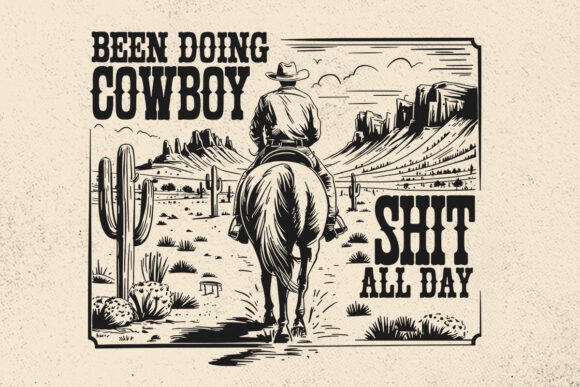
The phrase “Been Doin Cowboy Shit All Day” is delivered in a stylized Western font with a rugged feel, making it perfect for anything from custom sweatshirt embroidery to handmade products aimed at outdoor enthusiasts or those with a flair for Americana. The layout feels dynamic, as if it could be part of a larger scene on a tote bag design or stitched directly onto denim for an authentic touch.
What stands out immediately is the mood — this design screams laid-back fun with a bit of edge. It's ideal for projects like holiday gifts or nursery decor where a whimsical message adds character. The shape is long and horizontal, which means it's best suited for flat surfaces rather than curved ones. As for detail level, it’s clean enough for most machines but has some stylized flourishes that require attention when stitching.
Best Fit for What?
- Tote bags and canvas backpacks — where the message can stretch across the fabric without losing clarity.
- Denim apparel like jackets or jeans — especially when paired with leather accents or vintage buttons.
- Embroidered patches for hats or denim vests — a compact version of the design would work well here.
- Boutique branding items such as aprons, coffee mugs, or aprons for a country-themed shop.
- Etsy listings targeting cowboys, rodeo fans, or those into personalized gifts with a humorous twist.
Real-World Embroidery Performance
I recently tested this design on a custom sweatshirt for a local craft fair product line. The first thing I noticed was how the stitch density varied slightly between the main text and the decorative elements. That meant I had to adjust the stitch settings depending on the fabric thickness to avoid puckering or distortion.
On thicker fabrics like cotton twill or heavy-duty canvas, the design held up beautifully. The satin stitch along the lettering gave it a polished, almost raised appearance. However, when I tried it on a lightweight flannel shirt, the details started to lose definition. The key takeaway? Fabric choice matters a lot with this one.
For commercial embroidery purposes, I’d recommend using it on medium to large-sized items. Smaller hoops might struggle with the width of the full message unless you’re okay with breaking it into sections. Also, if you're planning to use it on a curved surface like caps, expect some warping unless you opt for a smaller, more condensed version of the text.
Thread Color Contrast and Design Clarity
This design uses a fairly standard thread color setup, but I suggest experimenting with a few options to match your brand or customer preferences. For instance, black thread works great on light-colored backgrounds, while white or cream threads pop on darker denim. If you're an Etsy seller, offering multiple color variations could increase buyer engagement and make your digital product previews more appealing.
One thing to note is that the design includes small details around the letters — think stars, rope, or subtle shading. These add character but can become tricky on thin or stretchy fabrics. Always check the contrast between your chosen thread colors and the fabric background to ensure the visual appeal remains strong after stitching.
Where Caution Is Needed
While “Been Doin Cowboy Shit All Day, Rodeo Svg” is versatile, there are situations where you’ll need to tread carefully:
- Small hoop sizes: The full phrase is quite wide. Unless you’re using a cropped version, stick to larger hoops to preserve legibility.
- Textured or stretchy fabrics: The intricate parts may not hold up as well. A test stitch on sample material is essential.
- Detailed corners: Some of the letter edges have slight curves and angles that could snag on delicate materials.
- Dark fabric: Thread visibility is critical. Light-colored threads will help, but consider adding a backing or using a printable mockup to show customers what they can expect.
- Products needing frequent washing: High-density areas may wear faster over time. Reinforcing them with a stronger stabilizer can help maintain quality.
These considerations are especially important if you're creating small shop products that must withstand daily use. Even though the SVG file looks sharp in digital form, the final finished product depends heavily on how you execute the stitch.
Design Impact on Customer Appeal
When I shared a preview of the design with a focus group of potential buyers, the reaction was mixed but mostly positive. The humor resonated with people looking for quirky, conversation-starting personalized gifts. Others found it too informal for professional-looking design assets, especially if used in corporate branding contexts.
That said, for niche markets like rodeo events, Western-themed boutiques, or even holiday embroidery with a twist, this design is a winner. Its visual personality makes it memorable, which can boost brand consistency and recognition in the right setting. Just be sure it aligns with your target audience’s style and expectations.
Designer Notes for Best Results
Here are some practical tips I’ve picked up from years of working with embroidery graphics like this one:
- Test on scrap fabric first: Especially if you're planning to mass-produce custom apparel.
- Check thread color contrast: Use a light thread on dark fabric and vice versa for better stitching clarity.
- Review stitch density: Adjust for different fabrics — less dense on stretchy materials, more on thick cotton.
- Confirm hoop size: Make sure your machine can accommodate the full length of the design.
- Inspect small details: The embellishments around the text are cute but may require extra care during digitization or editing.
- Use proper stabilizer: Especially for thin fabric or high-motion projects like baby clothes.
- Compare light and dark fabric backgrounds: The design behaves differently depending on the base color.
- Test in black and white mockups: To see how the design holds up without color bias.
- Check whether the design works for both personal and commercial projects: The licensing terms aren’t specified, so confirm them before selling finished items or digital embroidery files.
Professional Presentation Tips
If you're aiming for a professional finish, pair this design with complementary elements. Think about adding a subtle border, a matching patch logo, or a small silhouette of a horse or lasso in the corner. This helps frame the design and gives it more structure, especially on plain or minimalist garments.
Also, consider how the design fits into your overall branding. If you're running a craft business focused on rural themes or retro aesthetics, this could be a signature piece. But if your brand is more upscale or modern, the tone might not match your clientele’s taste.
Final Thoughts for Crafters and Entrepreneurs
"Been Doin Cowboy Shit All Day, Rodeo Svg" is a design with heart — it’s not just another Western-style applique design. When used correctly, it adds a touch of authenticity and charm to handmade products, particularly those made for casual or themed collections. Whether you're making a patch for a cap or designing a personalized sweatshirt, this graphic has the potential to stand out.
However, don’t let its boldness blind you to the technical side. Pay close attention to stabilizer use, thread selection, and fabric suitability. And remember, if you're planning to sell the final product or offer the SVG, EPS, PNG, and DXF files as a graphics package, double-check the licensing terms to stay compliant.
Ultimately, this design thrives in the hands of someone who understands how to tailor their approach based on the project type and customer needs. With a little preparation and creativity, it can turn a simple tote or apron into something truly special — a handmade product that people won’t forget.